Introduction
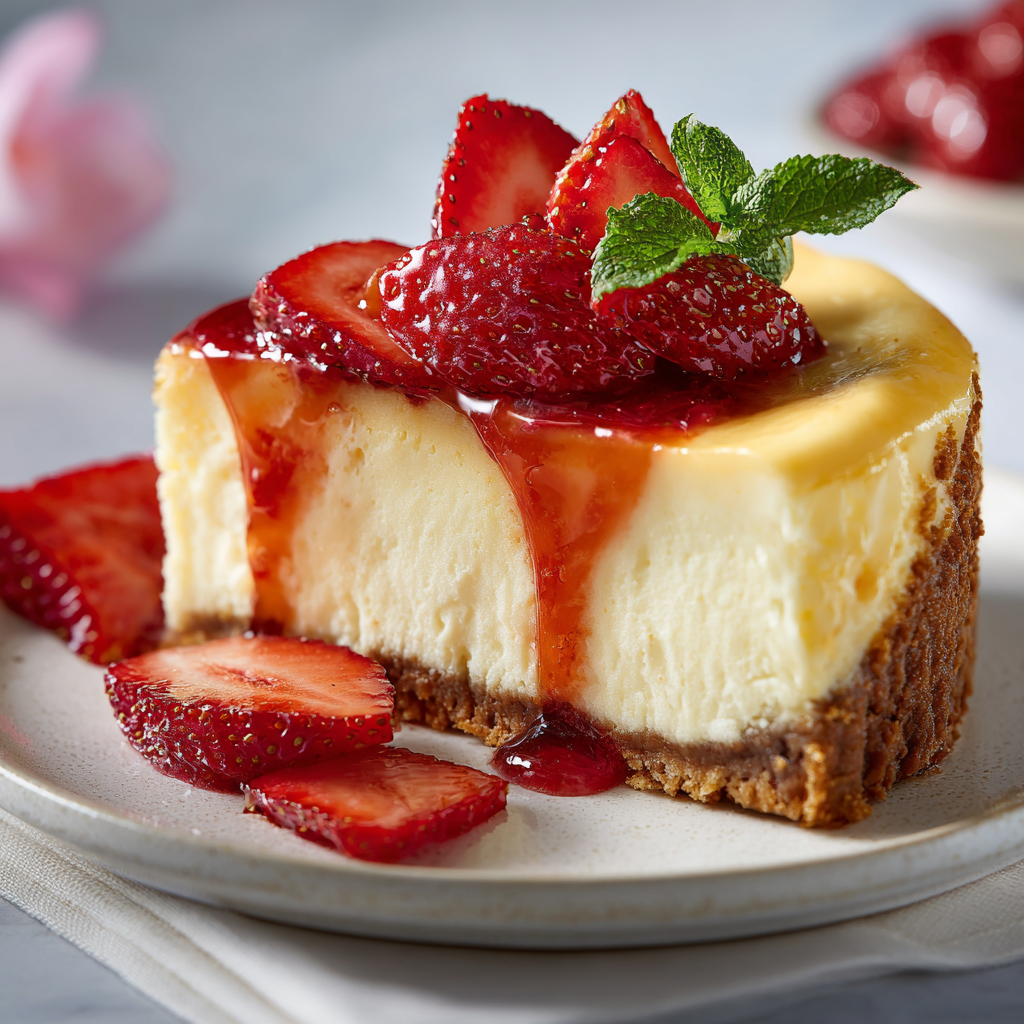
Cheesecake is a classic dessert that transcends cultures and occasions, delighting palates with its rich and velvety texture. When crafted with care, an original cheesecake becomes a masterpiece, balancing creamy sweetness with a subtle tang from cream cheese and a buttery crust.
This recipe invites you into the world of cheesecake making, where each ingredient plays a crucial role in achieving that perfect slice. With a few straightforward steps, you'll be able to impress family and friends with this American favorite.
Ingredients
- Crushed graham crackers – 1 ½ cups
The base of our cheesecake, the crushed graham crackers provide a deliciously sweet and slightly nutty flavor. They contribute crunch and stability to the crust, perfectly complementing the creamy filling. - Granulated sugar – ½ cup
Sugar not only sweetens the crust and filling but also promotes browning during the baking process. It helps to balance the tanginess of the cream cheese, creating a harmonious flavor. - Unsalted butter – ½ cup (melted)
Butter adds richness and moisture to the crust while serving as a binding agent for the graham cracker crumbs. Its fat content creates a tender crust that contrasts beautifully with the smooth filling. - Cream cheese – 24 oz (softened)
As the star of the cheesecake, cream cheese provides that iconic creamy texture and tangy flavor we love. Softening it allows for easier mixing, ensuring a smooth and lump-free filling. - Sour cream – 1 cup
Sour cream enhances the creaminess of the filling while adding a subtle tang that balances the sweetness. It also contributes moisture, preventing the cheesecake from drying out during baking. - Granulated sugar – 1 cup
In the filling, sugar is essential not only for sweetness but also for its role in achieving the desired texture. It helps create a smooth, velvety consistency that melts in your mouth. - Vanilla extract – 1 tablespoon
Vanilla extract introduces a warm and aromatic flavor that complements the richness of the cream cheese. It enhances the overall taste profile, making each bite more pleasurable. - Eggs – 3 large (room temperature)
Eggs act as binders in the cheesecake, providing structure and richness. Using room temperature eggs ensures they blend seamlessly into the mixture, yielding a uniformly creamy filling.
Directions & Preparation
Step 1: Preheat the oven to 325°F (163°C).
Preheating the oven is crucial for achieving an even bake. A consistent temperature ensures that the cheesecake cooks uniformly, preventing the edges from becoming overcooked while the center remains jiggly.
Step 2: Prepare the crust by combining crushed graham crackers, sugar, and melted butter in a bowl.
This mixture forms the foundation of your cheesecake. Ensure the graham crackers are finely crushed to avoid any large chunks. The melted butter helps the crumbs stick together, forming a cohesive crust when pressed into the pan.
Step 3: Press the crust mixture into the bottom of a 9-inch springform pan and bake for 10 minutes.
Pressing the mixture firmly ensures the crust holds together when the cheesecake is sliced. Baking it briefly sets the crust, giving it a sturdy texture to support the creamy filling without becoming soggy.
Step 4: In a large mixing bowl, beat the softened cream cheese until smooth.
Smooth cream cheese is key to a lump-free filling. Use a hand or stand mixer at medium speed to thoroughly incorporate air into the cream cheese. This step helps achieve that light and airy texture we desire.
Step 5: Add sugar, sour cream, and vanilla extract, then mix until well combined.
Incorporating sugar and sour cream at this stage brings balance to the cheesecake’s flavor and texture. Mixing until combined allows the ingredients to integrate, ensuring an even distribution of sweetness and tang.
Step 6: Add eggs, one at a time, mixing on low speed until just incorporated.
Adding eggs gradually prevents overmixing, which can lead to a dense cheesecake texture. Incorporating them one at a time allows for better emulsification and helps maintain the lightness of the filling.
Step 7: Pour the cream cheese mixture over the pre-baked crust.
Pouring the filling over the crust allows it to settle gently, reducing the chances of bubbles forming in the batter. A smooth surface ensures a lovely finish to your cheesecake once baked and chilled.
Step 8: Bake in the preheated oven for 50–60 minutes or until the center is set but slightly jiggly.
Baking the cheesecake slowly at a lower temperature prevents cracks from forming on the surface. The jiggle in the center indicates it will firm up as it cools, achieving that perfect creamy texture without drying out.
Step 9: Turn off the oven and leave the cheesecake inside to cool for 1 hour.
Allowing the cheesecake to cool gradually in the oven helps stabilize it and minimizes the risk of cracks. This gentle cooling process allows the flavors to meld perfectly, enhancing the overall taste.
Step 10: Remove from the oven and refrigerate for at least 4 hours, preferably overnight.
Chilling the cheesecake is essential for achieving the right texture. The longer it sets, the firmer it becomes, making it easier to slice. Overnight chilling allows the flavors to deepen and improve.
Step 11: Remove from the springform pan, slice, and serve.
Carefully releasing the cheesecake from the pan ensures you retain its shape. Use a hot knife for clean slices, as it helps achieve those beautiful layers that showcase your hard work. Serve and enjoy!

Balancing Sweetness and Tang
The interplay between the sweetness of sugar and the tang of cream cheese is vital in crafting a balanced original cheesecake. Adjusting the amounts of sugar and sour cream allows for personal preference, as some may desire more tanginess or sweetness. Taste the filling before baking for a quick adjustment, but remember to consider the effect of baking on the final flavor profile!
Understanding Texture: The Role of Eggs
Eggs contribute not only to the structure but also to the creaminess of your cheesecake. They act as emulsifiers, binding the other ingredients while adding richness. Be cautious with overmixing once the eggs are added; excessive air can lead to cracks during the baking process. Aim for a smooth, integrated filling without overdoing it to maintain that light texture.
The Importance of Overnight Chilling
While the temptation to dig in sooner may be strong, allowing your cheesecake to chill overnight is paramount. This resting period enables all the flavors to meld and settle, yielding a richer and more cohesive taste. It also allows for proper setting of the cheese, ensuring that each slice holds its shape beautifully for a perfect presentation.
FAQs
Why is my cheesecake too thick?
A thick cheesecake can be a result of overmixing the filling, particularly after adding the eggs. Ensure you mix on low speed and only until combined to prevent excess air incorporation.
What if my cheesecake tastes bland?
If your cheesecake lacks flavor, it may need more vanilla or sugar. Adjust according to personal taste, but avoid overdoing it, as baking intensifies flavors.
How can I tell if my cheesecake is overcooked?
An overcooked cheesecake may appear dry or have cracks on the surface. A perfect bake should have a slightly jiggly center that firms up as it cools.
Can I use cream cheese spread instead of block cream cheese?
Using cream cheese spread is not recommended due to its higher water content and added ingredients, which may alter the texture and flavor of the cheesecake.
What can I do if my crust is too crumbly?
If your crust is too crumbly, it likely needs more melted butter to bind the crumbs together. Gradually add additional butter until the mixture holds together when pressed.
Can I flavor my cheesecake differently?
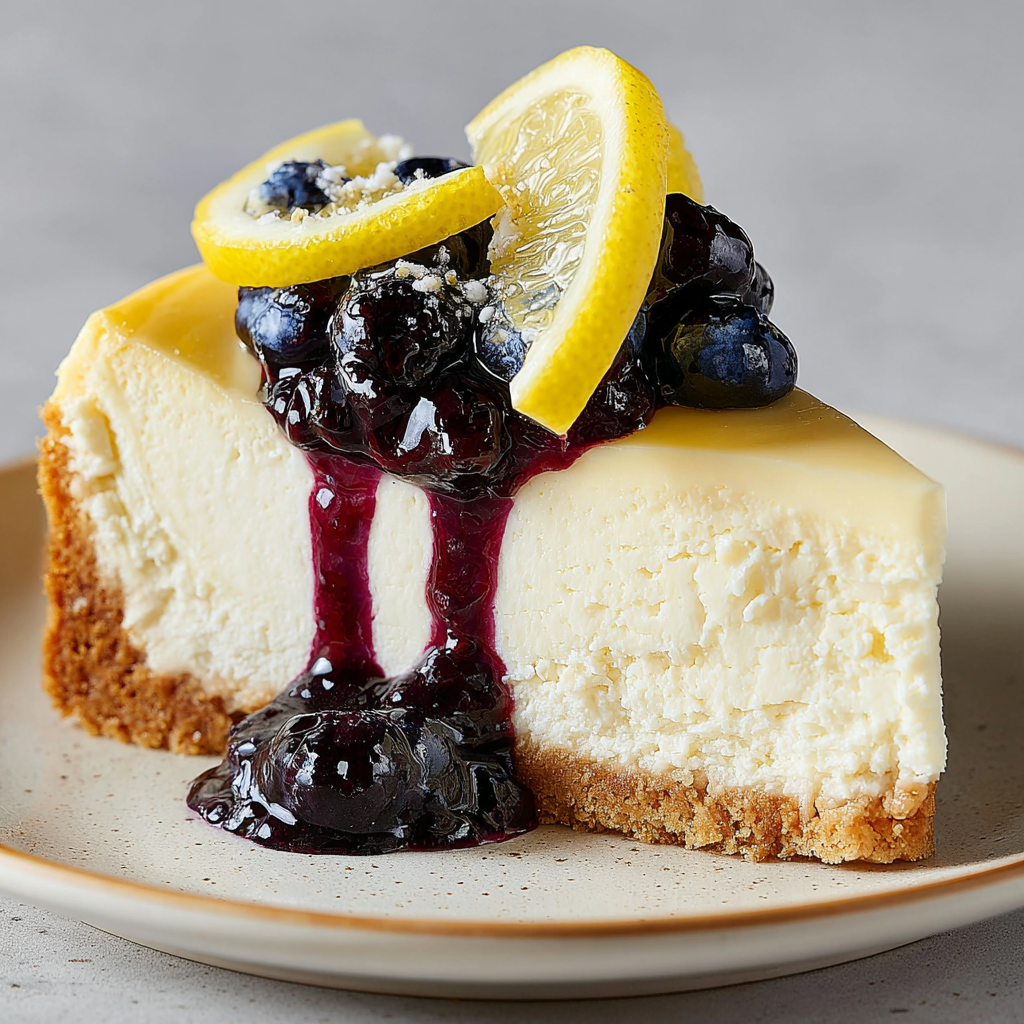
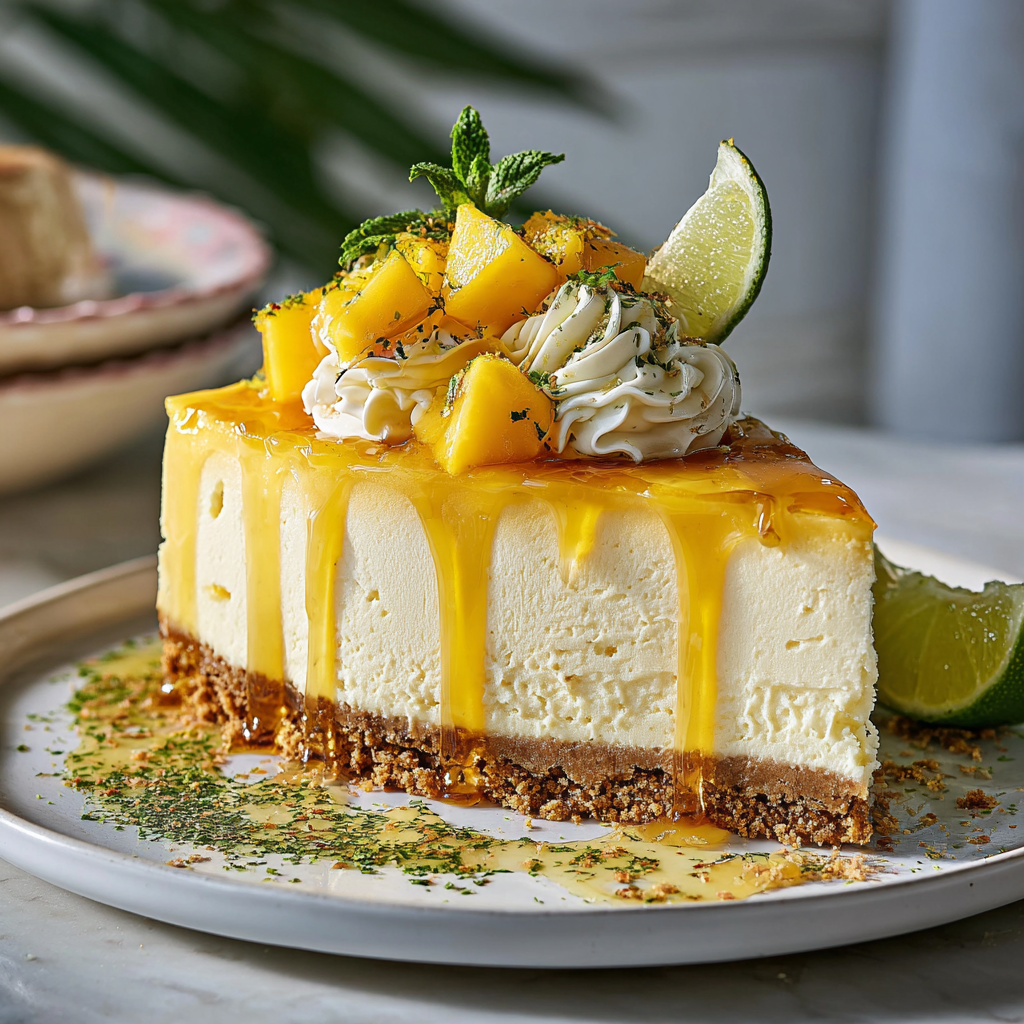
Yes! You can add lemon zest, chocolate, or other flavorings to create a unique cheesecake. Just be mindful of the additional moisture these ingredients may introduce.
Is it possible to create mini cheesecakes with this recipe?
Absolutely! You can make mini cheesecakes using muffin tins. Divide the ingredients among the cups, reducing the baking time to about 20-25 minutes.
Why does my cheesecake have a crack on top?
Cracks often result from baking at too high a temperature or overbaking. Ensuring a low, even temperature when baking and allowing for a gradual cooling will minimize this issue.
Conclusion
Crafting an original cheesecake at home can be a rewarding experience that is both fun and educational. By understanding the role of each ingredient and following the baking process, you’ll create a dessert that delights both in flavor and presentation.
Embrace the journey of cheesecake-making, experimenting with flavors and techniques. With practice, you will perfect your original cheesecake recipe, making it a beloved staple for gatherings and celebrations.
Recipe Card

Decadent Original Cheesecake Recipe for Home Bakers
Ingredients
- Crushed graham crackers - 1 ½ cups
- Granulated sugar - ½ cup
- Unsalted butter - ½ cup melted
- Cream cheese - 24 oz softened
- Sour cream - 1 cup
- Granulated sugar - 1 cup
- Vanilla extract - 1 tablespoon
- Eggs - 3 large room temperature
Instructions
- Preheat the oven to 325°F (163°C).
- Prepare the crust by combining crushed graham crackers, sugar, and melted butter in a bowl.
- Press the crust mixture into the bottom of a 9-inch springform pan and bake for 10 minutes.
- In a large mixing bowl, beat the softened cream cheese until smooth.
- Add sugar, sour cream, and vanilla extract, then mix until well combined.
- Add eggs, one at a time, mixing on low speed until just incorporated.
- Pour the cream cheese mixture over the pre-baked crust.
- Bake in the preheated oven for 50–60 minutes or until the center is set but slightly jiggly.
- Turn off the oven and leave the cheesecake inside to cool for 1 hour.
- Remove from the oven and refrigerate for at least 4 hours, preferably overnight.
- Remove from the springform pan, slice, and serve.
Notes
Additional serving suggestions: pair with a crisp salad, garlic bread, or roasted seasonal vegetables for balance.
For make-ahead, prep components separately and assemble just before heating to preserve texture.
Taste and adjust with acid (lemon/vinegar) and salt right at the end to wake up flavors.