Introduction
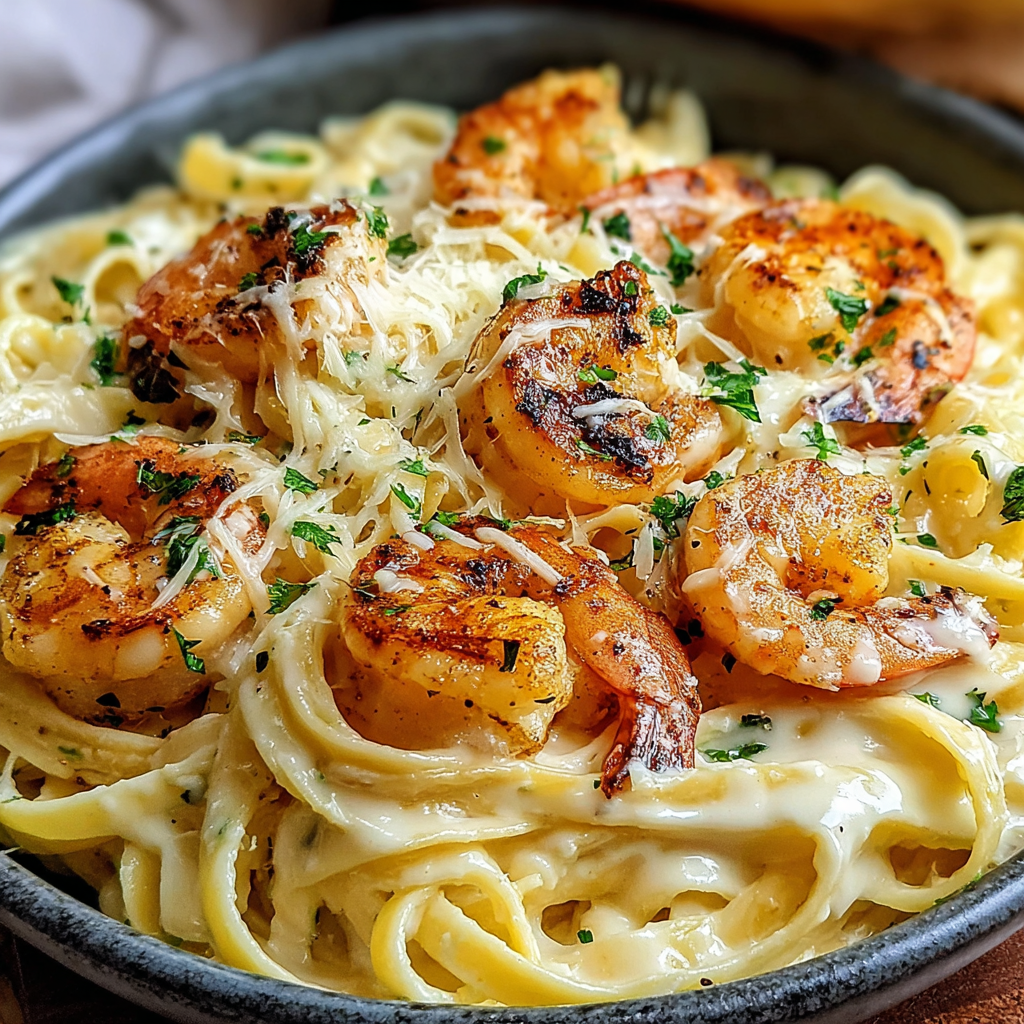
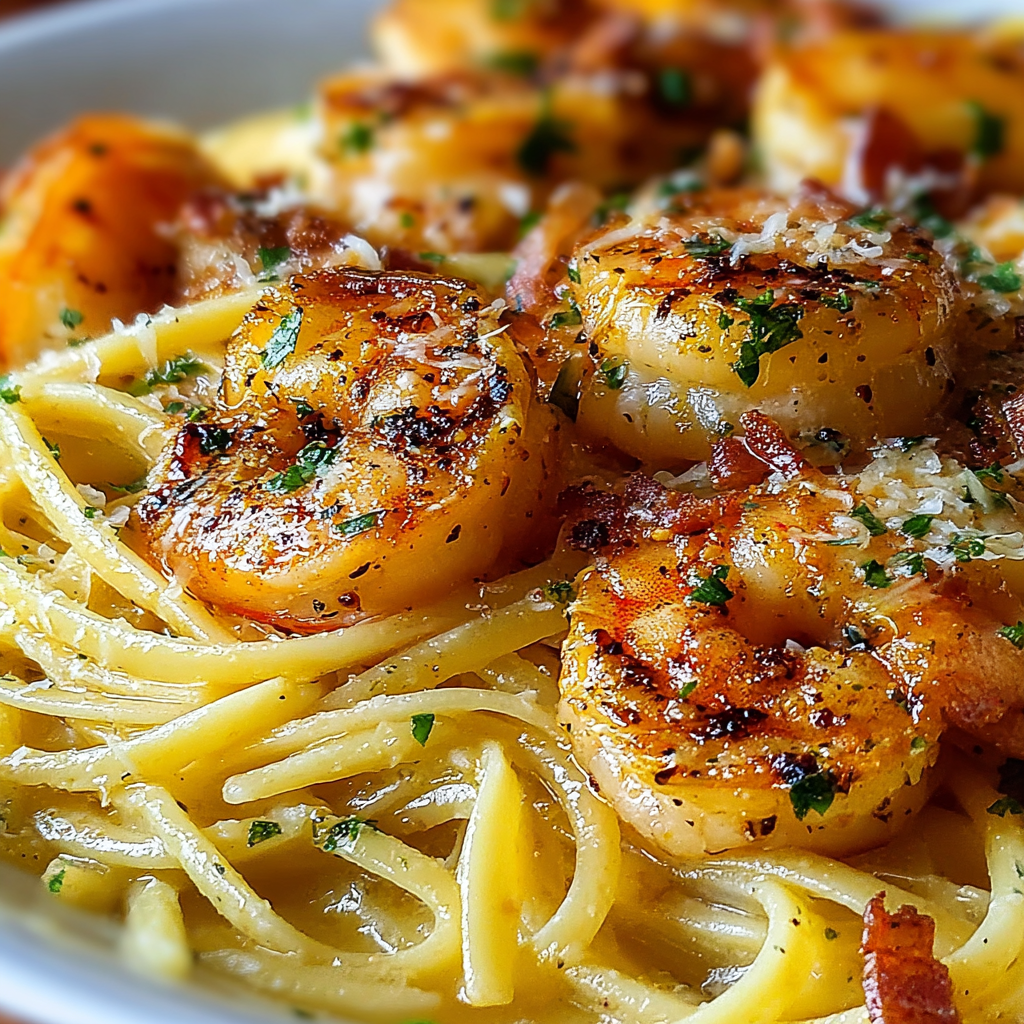
Shrimp carbonara brings a delightful seafood twist to the classic Italian dish. Traditionally made with pancetta or guanciale, this version swaps in succulent shrimp, adding a touch of oceanic sweetness that rounds out the savory characteristics of the creamy sauce.
This dish not only appeals to seafood lovers but also presents a quick weeknight meal option that feels indulgent. The rich, silky sauce clings beautifully to al dente pasta, making each bite a luxurious experience. With just a few simple ingredients, you can create an impressive meal that will leave everyone asking for seconds.
Incorporate fresh herbs and quality cheese for an added depth of flavor. Whether you’re cooking for a special occasion or just a regular family dinner, shrimp carbonara is versatile and satisfying.
Ingredients
- 12 ounces spaghetti
Spaghetti serves as the base of this dish, offering a perfect al dente texture that holds the sauce well. Its long strands make it ideal for twirling on a fork, ensuring every bite is delicious. - 1 pound large shrimp, peeled and deveined
The shrimp provide protein and a subtle sweetness that balances the richness of the sauce. Using fresh shrimp enhances the overall flavor and texture, making it a key player in this recipe. - 4 large egg yolks
Egg yolks create a creamy texture in the sauce while adding richness and a beautiful golden hue to the final dish. They help emulsify the sauce, ensuring it clings nicely to the pasta. - 1 cup grated Parmigiano-Reggiano cheese
Parmigiano-Reggiano adds a salty, nutty flavor that enhances the overall depth of the dish. Its melting qualities contribute to the creamy consistency of the sauce, making it essential. - 4 cloves garlic, minced
Garlic infuses the dish with aromatic richness. Sautéing it until fragrant releases its natural oils, which complement the shrimp and sauce perfectly. - 1/2 teaspoon crushed red pepper flakes
These flakes provide a subtle heat that balances the creaminess of the sauce. Adjusting the quantity allows you to tailor the spiciness to your preference. - Salt and freshly ground black pepper, to taste
Seasoning is crucial for bringing out the flavors of the dish. A pinch of salt and pepper enhances the taste without overpowering other ingredients. - Fresh parsley, chopped (for garnish)
Parsley not only brightens the plate with color but also adds a hint of freshness that contrasts the richness of the sauce.
Directions & Preparation
Step 1: Cook spaghetti according to package instructions.
Start by boiling a pot of salted water and cooking the spaghetti until al dente, typically 8-10 minutes depending on the brand. This step is crucial as perfectly cooked pasta serves as the foundation for your dish. Reserve a cup of pasta water before draining, as it will help adjust the sauce's consistency later.
Step 2: Sauté garlic in olive oil and add the shrimp.
While the pasta is cooking, heat olive oil in a pan over medium heat, then add minced garlic. After about 30 seconds, introduce the shrimp, cooking until they turn pink and opaque. This step is vital as it layers flavor into the dish—garlic releases its aroma, while shrimp infuse the oil with their essence.
Step 3: Whisk together egg yolks and cheese in a bowl.
In a separate bowl, whisk the egg yolks with grated Parmigiano-Reggiano cheese until smooth. This mixture will create your creamy sauce. Ensure the ingredients are well combined; this will ensure an even consistency and rich flavor throughout the carbonara.
Step 4: Combine pasta with shrimp and garlic, then add egg mixture.
Once the pasta is drained, add it to the pan with the shrimp and garlic, tossing to combine. Then, quickly stir in the egg and cheese mixture off the heat. This step is crucial to prevent the eggs from scrambling—gently combining them with the warm pasta helps create a creamy sauce.
Step 5: Adjust consistency with reserved pasta water and season.
If the sauce appears too thick, gradually add reserved pasta water, stirring until the desired consistency is reached. This ensures the sauce clings perfectly to each strand of spaghetti. Taste and season with salt and freshly ground black pepper, focusing on balancing flavors.
Step 6: Serve with parsley and additional cheese for garnish.
Transfer the shrimp carbonara to serving plates, garnishing with chopped parsley and extra cheese. Presentation matters, as a visually appealing dish enhances the dining experience. The fresh parsley adds a touch of color, while the extra cheese ensures an indulgent finish.

Enhancing the Sauce with Fresh Herbs
Adding fresh herbs like basil or chives not only amplifies the freshness of the dish but also introduces vibrant colors and additional layers of flavor. Chopped herbs stirred in just before serving helps to elevate the overall taste profile of your shrimp carbonara.
The Perfect Shrimp: Sourcing and Preparation
Choosing fresh, high-quality shrimp is pivotal for the success of your dish. Look for shrimp that are firm, pink, and have a mild scent of the sea. Properly cleaning and deveining them ensures a clean taste—this enhances the overall quality of the carbonara.
Making It Your Own: Flavor Variations
Feel free to explore with flavors by incorporating lemon zest, capers, or even peas for a pop of color and taste. Adding these elements transforms the dish while remaining true to its carbonara roots, allowing you to make it a reflection of your personal taste.
FAQs
What can I do if the sauce is too thick?
If your sauce is too thick, gradually incorporate small amounts of reserved pasta water until you achieve your desired consistency. This water contains starch that helps the sauce adhere better to the pasta.
How can I avoid overcooking the shrimp?
To avoid overcooked shrimp, monitor their color closely. They should turn pink and opaque within 2-3 minutes on medium heat. Remove them from the heat as soon as they are cooked through for optimal texture.
What should I do if the sauce tastes bland?
If your sauce lacks flavor, consider increasing the amount of cheese and adjusting seasonings like salt and black pepper. A dash of lemon juice can also brighten up the dish and enhance the flavors.
Can I use another type of cheese?
While Parmigiano-Reggiano is traditional, Pecorino Romano or even a sharp cheddar can substitute, offering different flavor profiles. Each cheese will impact the overall taste and creaminess of the sauce.
How do I get a silky sauce without scrambling the eggs?
To prevent scrambling the eggs when adding them to the pasta, ensure you're mixing them off the heat and adding them gradually with a bit of reserved pasta water to temper the eggs.
What can I substitute for spaghetti?
For a twist, consider using fettuccine or linguine, which also pair well with creamy sauces. Alternatively, zoodles or other vegetable noodles offer a lighter option.
Conclusion
Shrimp carbonara is a splendid combination of flavors that showcases the versatility of a classic dish. By incorporating shrimp, it offers a fresh and delectable alternative that stands out on the dinner table.
With each ingredient contributing to a harmonious balance of taste and texture, this meal is approachable yet sophisticated. It's an ideal choice for occasions ranging from casual weeknight dinners to more elegant gatherings, leaving everyone satisfied with a memorable experience.
Recipe Card
Savory Shrimp Carbonara: A Flavorful Twist
Ingredients
- 12 ounces spaghetti
- 1 pound large shrimp peeled and deveined
- 4 large egg yolks
- 1 cup grated Parmigiano-Reggiano cheese
- 4 cloves garlic minced
- 1/2 teaspoon crushed red pepper flakes
- Salt and freshly ground black pepper to taste
- Fresh parsley chopped (for garnish)
Instructions
- Cook spaghetti according to package instructions.
- Sauté garlic in olive oil and add the shrimp.
- Whisk together egg yolks and cheese in a bowl.
- Combine pasta with shrimp and garlic, then add egg mixture.
- Adjust consistency with reserved pasta water and season.
- Serve with parsley and additional cheese for garnish.
Notes
Additional serving suggestions: pair with a crisp salad, garlic bread, or roasted seasonal vegetables for balance.
For make-ahead, prep components separately and assemble just before heating to preserve texture.
Taste and adjust with acid (lemon/vinegar) and salt right at the end to wake up flavors.